The World Economic Forum recently released its Global Risks Report 2026, unveiling a concerning outlook on the challenges shaping our world today and in the long-term.
If you haven’t had a chance to read it, we’ve summarized some of the key takeaways from the report, which highlight a pressing need for action across sectors to address these interconnected and escalating risks.
1. Geoeconomic Confrontation is now the highest ranked risk
Geoeconomic confrontation refers to the rising use of trade restrictions, sanctions, and economic policy as levers in geopolitical power struggles. Ranked as the most severe current and short-term risk by WEF respondents, it has leapt from 8th place last year to 1st this year and is perceived as the risk most likely to trigger a material global crisis in 2026.
For organisations with global operations or international dependencies, this increases the need to assess supply chain exposure, model geopolitical scenarios, and stress-test continuity plans and strategies.

Build the resilience of your organization from top to bottom
With over 25 years of experience around the globe, our consultants help organisations be better prepared and faster to respond to crises and disruptions.
2.State-Based Armed Conflict remains a pressing concern
The threat of state-based armed conflict is becoming a much greater concern to respondents. In 2026 it’s ranked the second most likely crisis by respondents (14% of them) and sits firmly within the top five short-term risks over a two-year horizon. Whether through direct impacts to critical infrastructure, regional instability, or displacement of people and resources, conflicts are testing the readiness of nations and institutions alike.
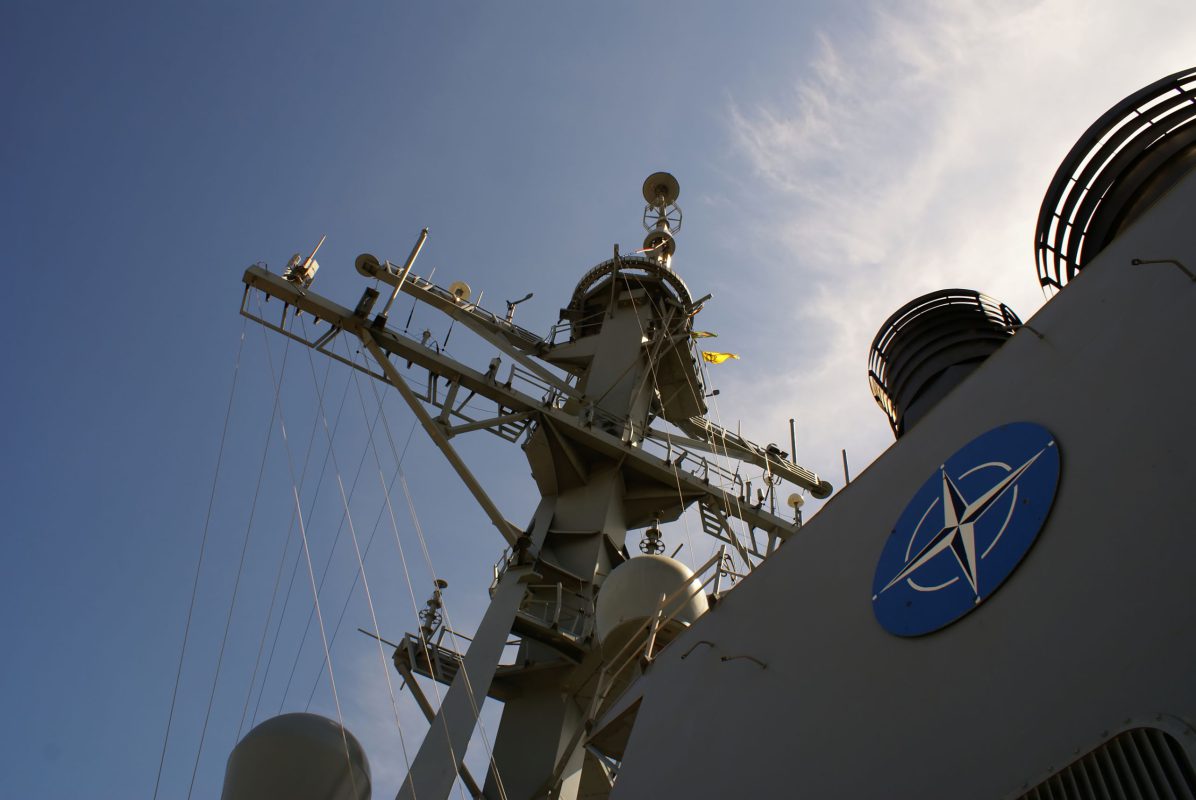
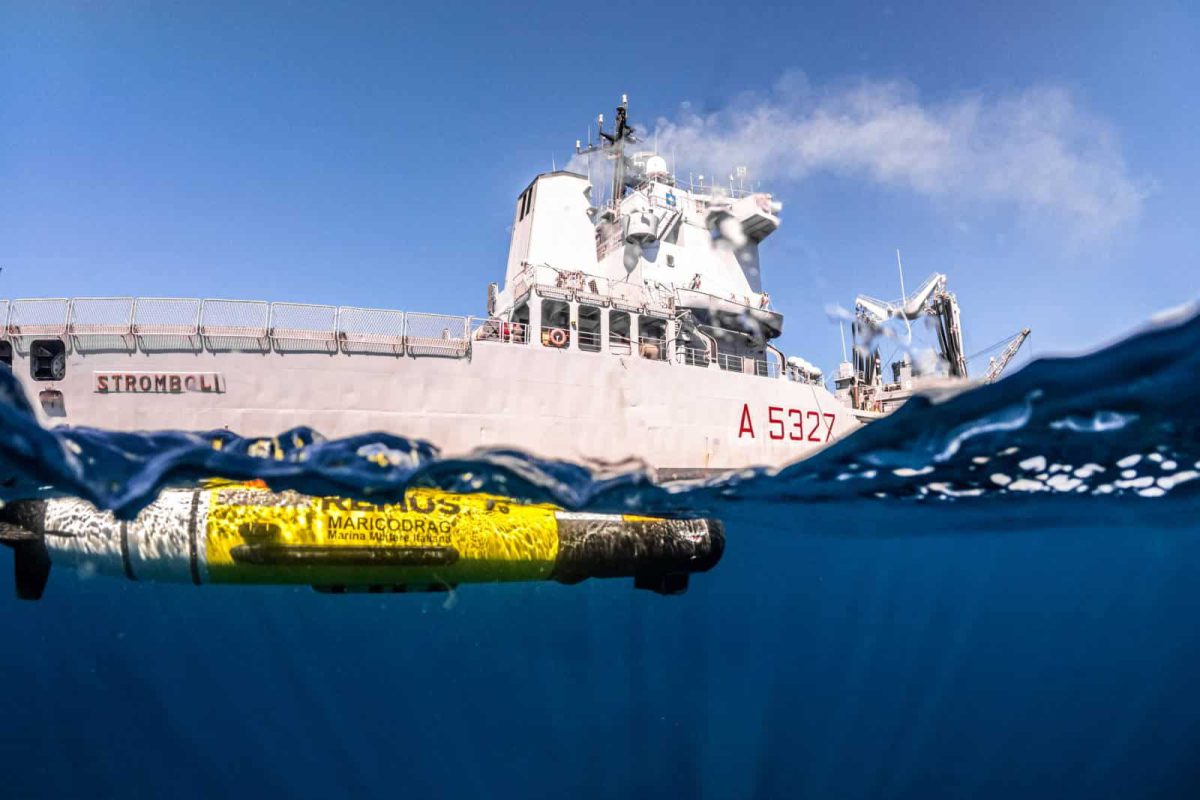
NATO and national military forces are accelerating readiness capabilities, but modern conflict extends beyond traditional defence. Building national resilience now requires public, private, and military sectors to prepare for similar scenarios, training and exercising individually, and where appropriate, together in a controlled environment. Strengthening this whole-of-society (total defence) approach is essential for safeguarding infrastructure, services, and public trust, and may prove essential moving forward.
Exonaut Defence Platform
Discover how NATO and Allied Forces around the world use our Exonaut Platform to accelerate readiness through effective planning, training, exercising and experimentation.
3. Polarisation and Misinformation continue to undermine trust
Societal polarisation and misinformation (ranked 3rd and 2nd among severe-impact short term risks) now sit at the heart of operational risk, not only for governments, but for many organisations managing reputation, public engagement, and emergency response.
Disinformation campaigns can erode institutional trust, complicate policy-making, and disrupt crisis coordination, especially when they intersect with social media and fragmented news ecosystems. For the public sector, this represents a growing challenge: one that demands greater investment in communication resilience and cross-agency trust-building.
4. Extreme weather events are a short and long-term risk
Extreme weather continues to rank among the most severe risks over both the short- (4th) and long-term (1st) horizons in the 2026 report. Events such as heatwaves, floods, storms, and wildfires are no longer viewed as isolated disruptions, but as recurring operational realities that strain infrastructure, supply chains, and emergency response capabilities. For organisations, this can mean more frequent site outages, staff displacement, and logistics disruption, often with little warning and increasing recovery times. Those not directly impacted by them may still be impacted by the rippling effects from suppliers in another location dealing with extreme weather. This must be mitigated through resilient planning, testing, and preparedness.
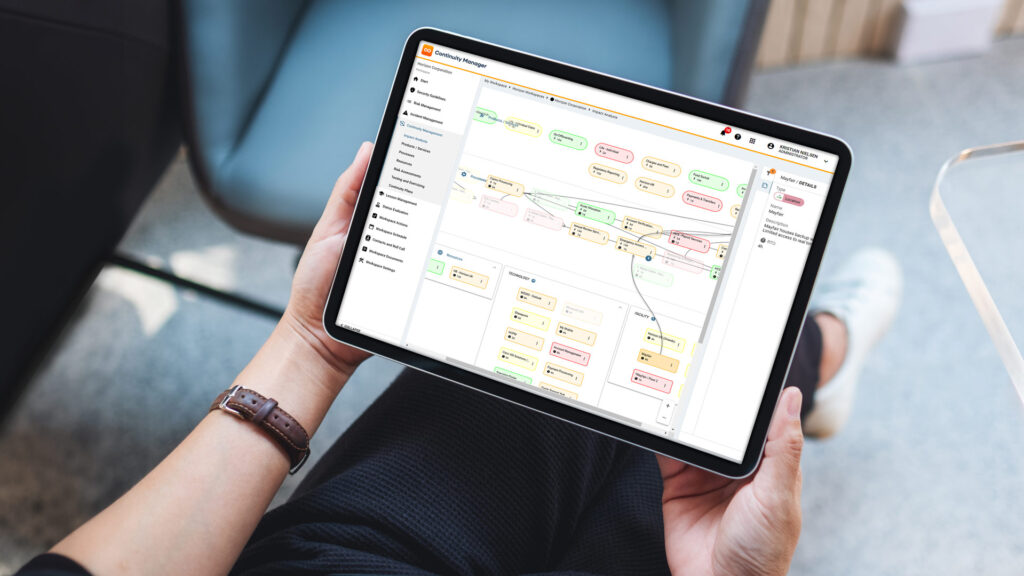
Maintain operations during disruptions
Continuity Manager takes BCM from planning to operations, ensuring you not only know what to prioritize in a disruption, but can also trigger plans to maintain critical services.
5. Cyber Insecurity Is a persistent threat
Cyber threats remain near the top of the list again in 2026, and for good reason. Attacks are growing in scale and complexity, often hitting when resilience is already under strain.
From ransomware to infrastructure disruption, these risks require more than technical fixes, particularly as they can rapidly escalate into enterprise-wide disruptions. They demand understanding of IT dependencies and tolerances, effective continuity plans that are regular tested, and cyber resilience programs that are fully integrated with operational continuity.
What comes next?
As the global risk landscape continues to shift, now is the time for organisations to review strategies, close gaps, and invest in resilience that’s both practical and scalable.
From risk management and exercising to continuity frameworks and crisis coordination, we’re here to help you get a better understanding of your risk, threats and capabilities. Talk to one of our resilience experts now or book a demo of our software to learn more now.