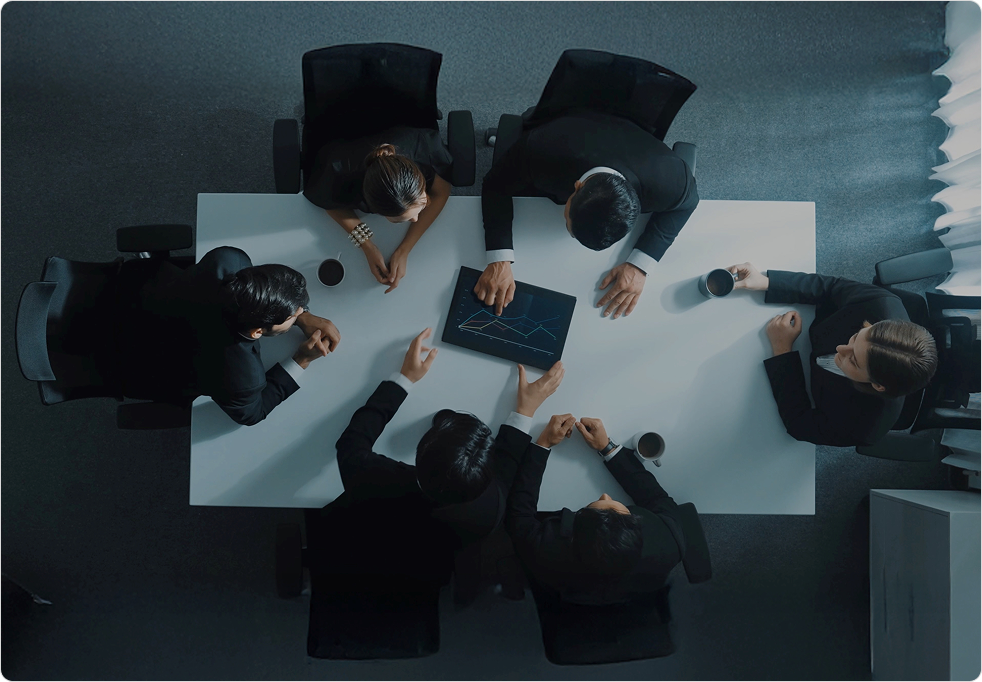
This is great for learning, but it doesn’t fully reflect the pressure of a real crisis. Side-of-desk exercises address this gap. Running alongside live operations, they test how leaders make decisions when time is limited, information is imperfect, and business does not stop, making them a powerful tool for demonstrating real capability to senior stakeholders.
In practice, this means evolving crisis information (injects) are introduced in real-time during business-as-usual activity, often over a number of days. These updates reflect how a situation evolves, requiring participants to respond as they would in a real event. Participants continue with their normal roles, regrouping at key points during the day to assess the situation and respond using established crisis management processes. This flexible approach allows the exercise to align with an organisation’s own operating rhythms, while maintaining realism and momentum.
Following our exercise with Sage, the UK’s second largest tech company, here are five reasons why side-of-desk exercises provide the next step in crisis readiness.
1. They demonstrate real leadership performance, not just plans
Side-of-desk exercising is increasingly recognised as the point at which crisis management moves from theoretical competence to operational credibility. By running in parallel with normal business activity, these exercises expose senior leaders to the realities that define real incidents: competing priorities, leadership fatigue, imperfect information, and the cumulative pressure of prolonged decision-making.
Rather than validating documentation, they show how decisions are actually made under pressure. This helps resilience teams translate crisis management from a paper-based process into something leaders can see and experience firsthand.
2. They prioritise capability over scenarios in an interconnected threat landscape
Modern crises rarely follow a single narrative. A cyber incident quickly becomes a regulatory issue; a third-party failure escalates into reputational and customer harm; operational disruption triggers board-level scrutiny.
In this environment, the value of an exercise lies less in the scenario itself and more in the organisation’s ability to respond. Side-of-desk exercises prioritise situational awareness, decision-making, communication, and coordination, ensuring teams can adapt to evolving conditions rather than follow a fixed script.

Build the resilience of your organization from top to bottom
With over 25 years of experience around the globe, our consultants help organisations be better prepared and faster to respond to crises and disruptions.
3. They strengthen situational awareness through realism, repetition, and tools
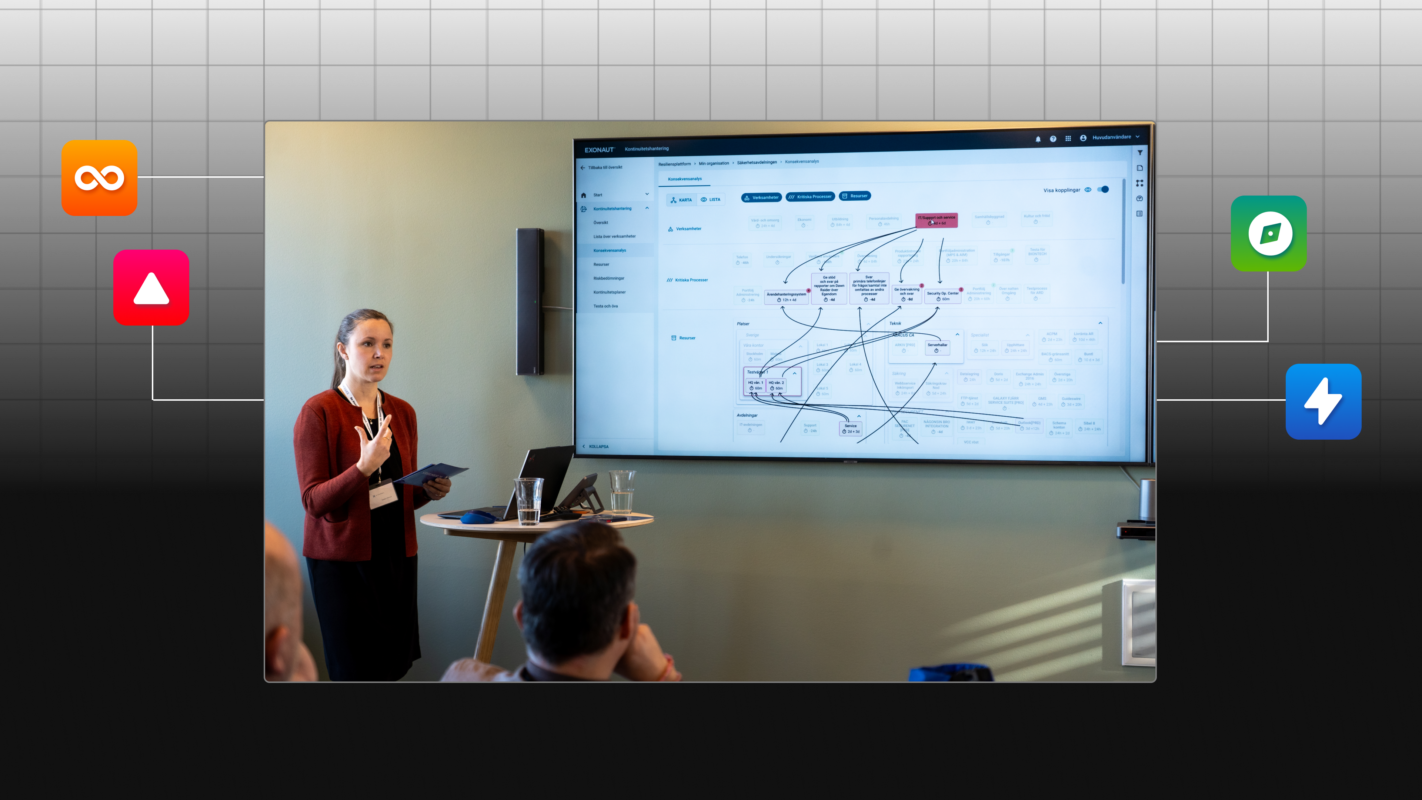
One of the most tangible benefits of side-of-desk exercising is the development of practical situational awareness. In the exercise we held with Sage, the Crisis Management Team and deputies experienced multiple strategic-level meetings, which helped to reinforce confidence in the structure, tempo, and processes of crisis management.
Central to this was the use of a Commonly Recognised Information Picture (CRIP), enabling leaders to bring together incomplete and sometimes conflicting inputs into a shared understanding to support decisions. Practising this under pressure builds fluency, confidence, and speed where it’s needed.
4. They provide a safe-to-fail environment for testing leadership, partnerships, and regulators
Side-of-desk exercises also create an opportunity to integrate external stakeholders into crisis exercises. Critical suppliers, cyber partners, and even regulators can participate as “critical friends,” moving from abstract dependencies to active contributors in the response.
This reflects how crises are managed across organisational boundaries. Testing relationships, escalation routes, and assumptions in a controlled environment surfaces issues early and strengthens trust before a real event.
5. They generate sustained senior buy-in and lasting organisational value
Side-of-desk exercises consistently drive deeper engagement at senior level because leaders experience the pressure and complexity of a live situation.
This helps build ongoing interest and ownership, even if exercises are run less frequently, and reinforces crisis management as a leadership responsibility rather than a periodic activity. The benefits extend beyond incident response, strengthening everyday decision-making, governance, and organisational resilience.
Get started
Side-of-desk exercises are not a replacement for existing crisis exercising; they are the next step for organisations that want greater confidence in how their leaders will perform under real pressure. By embedding crisis response into live operations, they test judgement, situational awareness, and decision-making abilities in conditions that closely mirror reality.
For organisations looking to move beyond confidence in plans and towards confidence in performance, side-of-desk exercises provide a powerful way to turn crisis preparedness into a leadership capability.
Do you want to know more about side-of-desk exercising? Get in touch with us today.