You’ve spent much of your career focused on modeling, simulation and interoperability. Can you tell us a little about that journey?
I started my career as an engineer working with simulation and early AI before moving into system architecture as simulation interoperability emerged. Since then, I’ve worked with armed forces, defense agencies, and industry, led international interoperability programs, and become increasingly involved in NATO and IEEE standards development. Today I chair the NATO MSG-223 Research Task Group, which operates under the NATO Modeling and Simulation Group, and I represent Sweden in other NATO modelling and simulation activities.
What’s driving the growing need for interoperability in military training and exercises?
Modern exercises bring together exercise management systems, simulations, C2 (command and control) systems, and many other technologies. Those systems all need to exchange information efficiently if armed forces are going to train more effectively. Interoperability makes that possible. It allows armed forces to combine the technologies that best meet their requirements while ensuring they can work together as an integrated training environment.
Your background spans everything from early AI to interoperability. What has changed most over that time?
The biggest change has been the pace of innovation. Training environments are now far more connected, data driven and complex than they were 25 years ago, creating opportunities not only through AI, but through better integration, greater automation and more effective use of data across the entire exercise lifecycle.
How do you see military training and exercising evolving?
We’re already seeing significant changes across NATO and defense organizations. Training is becoming more continuous rather than something that happens only around major exercises. I believe we’ll see more frequent, focused training, what you might call micro-training, building individual and team capability before they come together for larger collective exercises. At the same time, training is becoming more distributed, more data driven and increasingly shaped by multi-domain operations that combine cyber, space, information, and traditional military capabilities. Exercises are also becoming opportunities to test new concepts and technologies, not just validate existing procedures.
Supporting all that means reducing the time it takes to prepare exercises and helping training audiences learn more quickly from them. AI will play an important role by helping build scenarios, analyze increasingly large volumes of exercise data, and accelerate after action reviews. This will allow armed forces to spend less time preparing training and more time delivering, evaluating, and improving it, which will accelerate readiness.
Why did you decide to join 4C Strategies now?
I’ve worked alongside 4C for many years and have always been familiar with Exonaut and the role it plays in training management. This was an opportunity to combine my experience in interoperability and international collaboration with a platform that’s already supporting training and exercising across allied forces.
One of the things that particularly appealed to me was the opportunity to contribute across the company, helping translate emerging operational requirements into future capabilities. That means ensuring Exonaut continues to integrate seamlessly with a wide range of C2 systems, simulations and other technologies, while remaining flexible enough to support increasingly complex training environments.
You’re continuing your work with international standards. Why does that matter?
By remaining actively involved in international standards development, 4C can help lead discussions around future standards for exercise management and control. Those standards influence how larger training solutions are designed and how other technologies integrate with them. Bringing that insight into Exonaut helps ensure the platform remains aligned and ready for the next generation of multinational training and exercises.
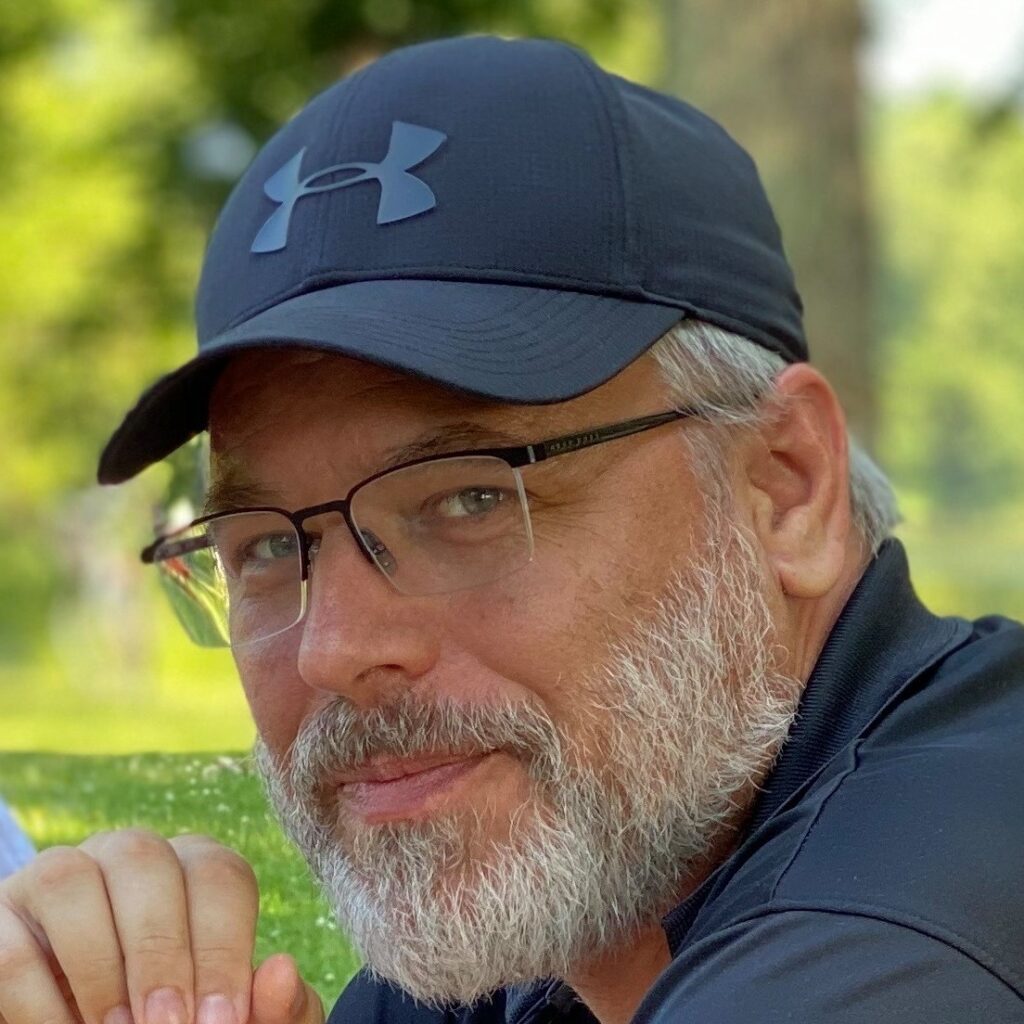
Björn Löfstrand joins 4C Strategies on 1 September while continuing to chair the NATO MSG-223 Research Task Group. If you’re attending the NATO CAX Forum in Rome this September, take the opportunity to meet Björn and continue the conversation around interoperability, AI, and the future of military training.
Get in touch
If you want to know how you can accelerate mission readiness by engaging the training audience and building critical capabilities with fewer resources, get in touch.
Contact us